Italian knowledge
Italian bee which is a subspecies of the western honey bee ( Apis mellifera ).
It is the most widely distributed bee among all bees and has proven to be suitable for most climates from subtropical to cool temperate zones, but not very successful in humid tropical regions.
The famous beekeeper Thomas Whitewood Burley first introduced the Italian honey bee into the UK in 1854.
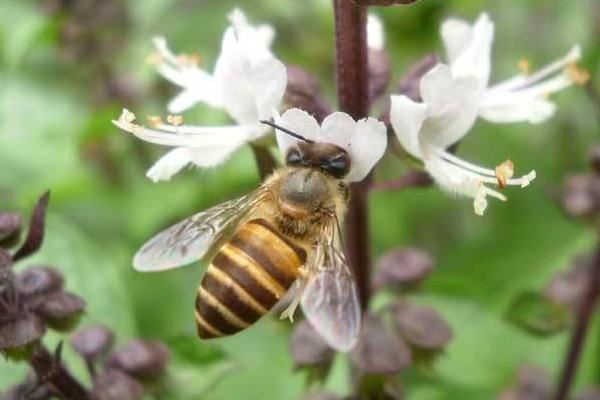
Color: Brown and yellow stripes on the abdomen. Among the different Italian honeybee varieties, there are three different colors: leather; bright yellow; and very pale yellow.
Size: Their bodies are smaller and their wigs are shorter than the deep bee races.
Tongue length: 6.3 to 6.6 mm
Average elbow index: 2.2 to 2.5
Advantage
Showing a strong tendency to breed and very productive
Clean / excellent housekeeper (some scientists believe it may be a factor in disease resistance)
Use small propilis
Excellent foraging
Superb comb builder
Covering honey with brilliant white cappings
Shows lower swarming tendency than other Western honey bee races
Suitable for areas where continuous nectar flow and favorable weather throughout the summer
Gentleness
Weakness
Lack of vitality
Tend to over-feed
Susceptible to disease
It is easier to drift and rob than other major races in Europe.
Strong brooding configuration often leads to a large amount of food consumption in late winter or early spring, which leads to a decrease in spring, so the spring is slow or slow.
Brooding starts later, lasts until late summer or autumn, regardless of nectar flow
Tend to feed for a short distance than wild cabbage or bees, so it may be less effective in poor nectar flow
Suitable for cool seas
Suitable for areas lacking nectar in summer