


40 years beekeeper tells you what is good honey
1. Good honey
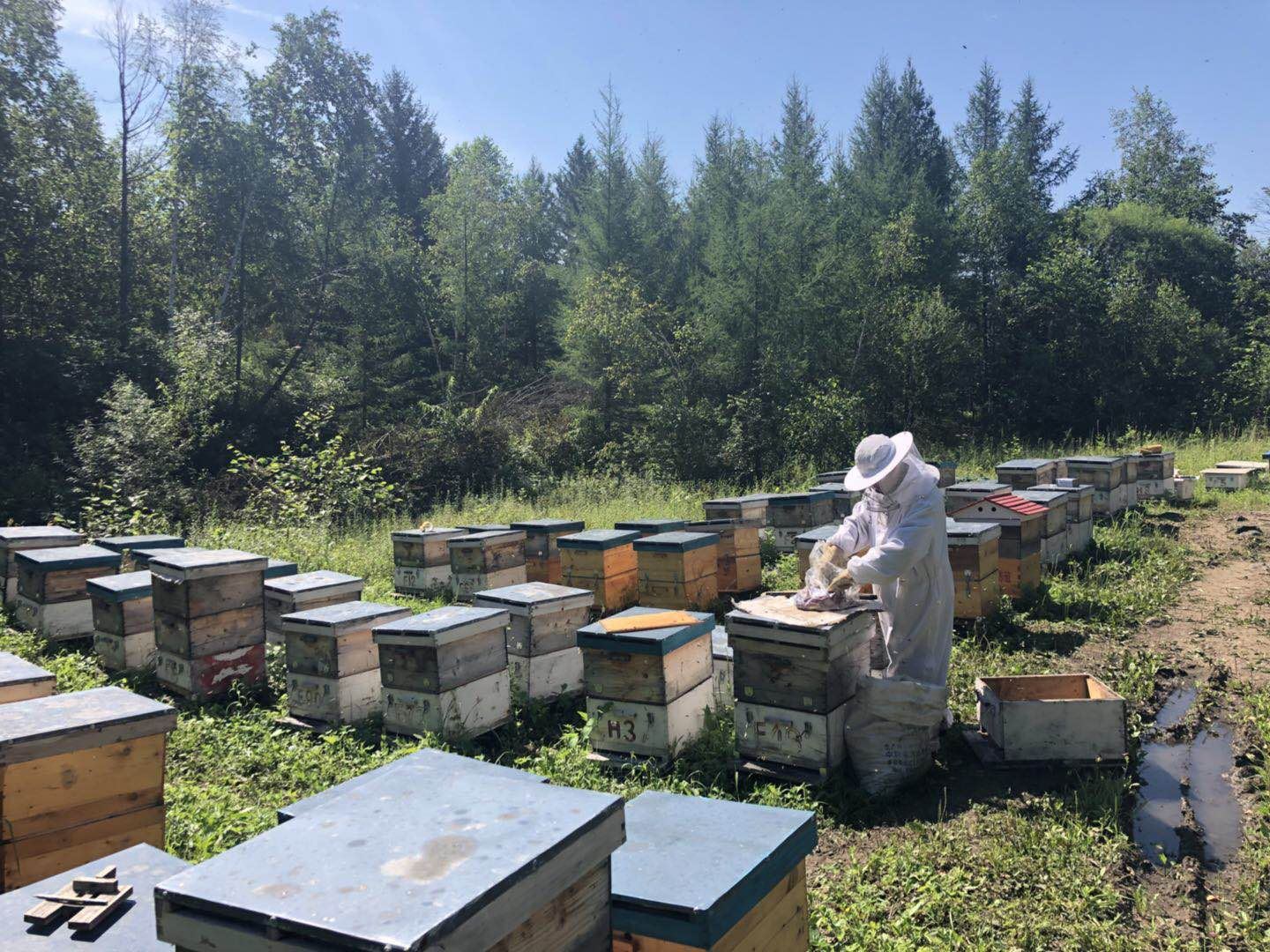
In the production of beekeeping, the place where honey can be collected in large quantities is called the source of honey. Generally, a large number of honey-source plants grow in the honey source, such as locust trees, jujube trees, wattles, linden trees, rape, litchi, and wild bazi.
A good honey source needs to have three conditions: 1. There are abundant honey source plants, that is, there are a large number of honey source plants; Pollution includes water resources pollution, pesticide pollution, air pollution, etc. For example: jujube flower, Longyan, etc. are facing pesticide pollution; 3. The ladder-shaped opening of honey-source plants is conducive to long-term bee honey collection.
2. Brewing capped mature honey
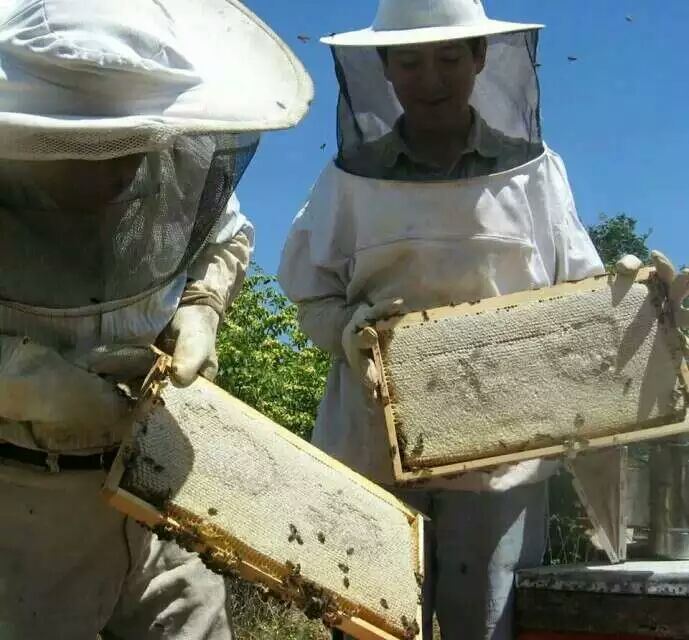
The so-called capped mature honey refers to that the bees collect the nectar from their salivary glands in the nest, and after brewing and dehydration, the water content is reduced to less than 20%, and the disaccharide is fully converted into monosaccharides, glucose and The total content of fructose is more than 70%. Naturally mature honey usually takes 7 days. It has the true nutritional ingredients of honey;
The immature honey is short-recovered nectar that has not been fully brewed, most of which is taken in 1-3 days. Many nutrients are incomplete, insufficient and unstable. Generally, when it is sold, it is subjected to mechanical dehydration and concentration. This honey is generally called concentrated honey and processed honey. It does not have the nutritional value of honey.
3. No secondary pollution from brewing to bottling
With the continuous progress of society, people pay special attention to the quality and safety of food. Although honey itself has sterilization and anti-inflammatory effects, artificial direct skin contact or use of unclean containers can cause secondary pollution to honey. Therefore, good honey needs not only the first two necessary conditions, but also the third condition.


